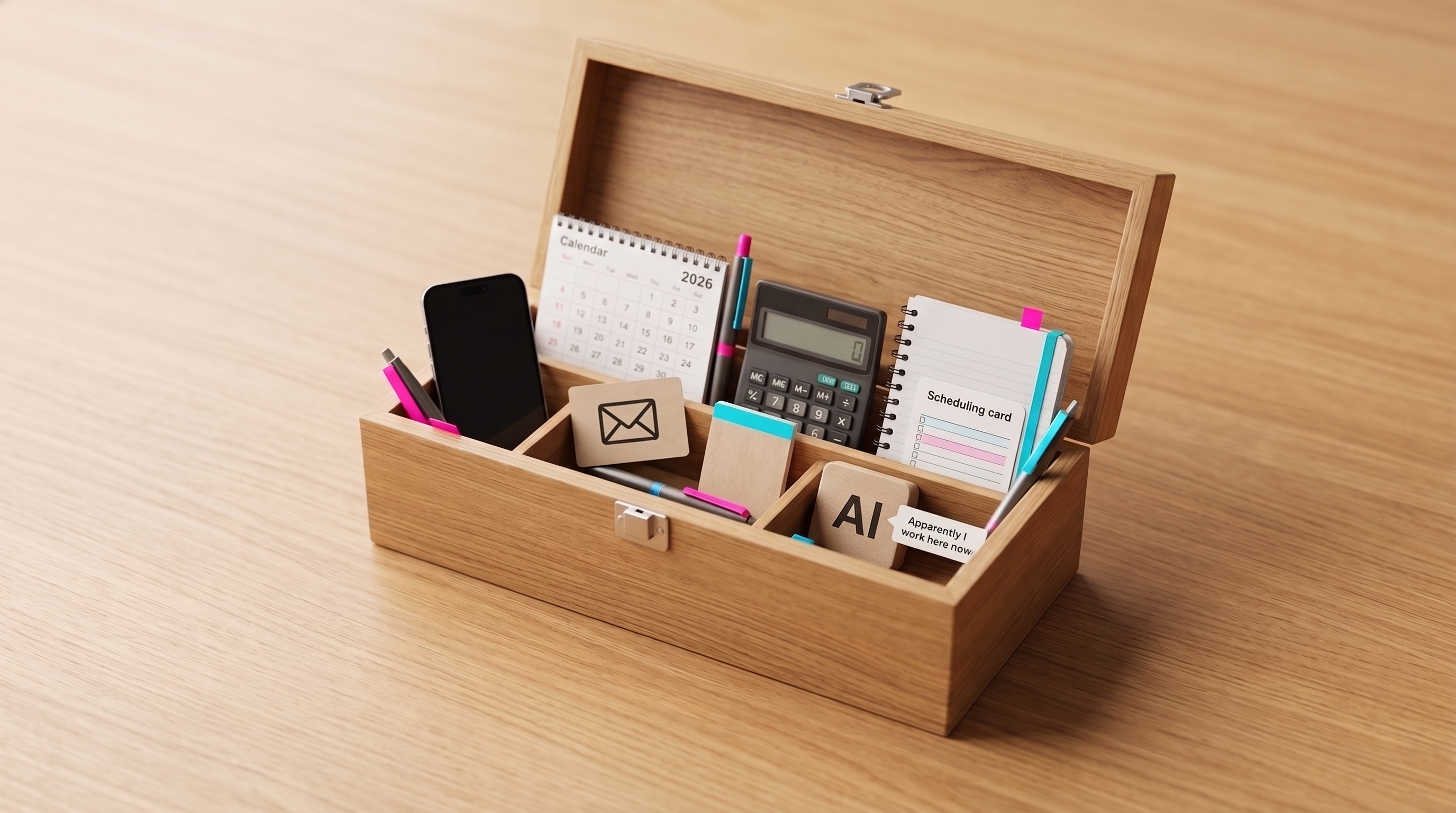
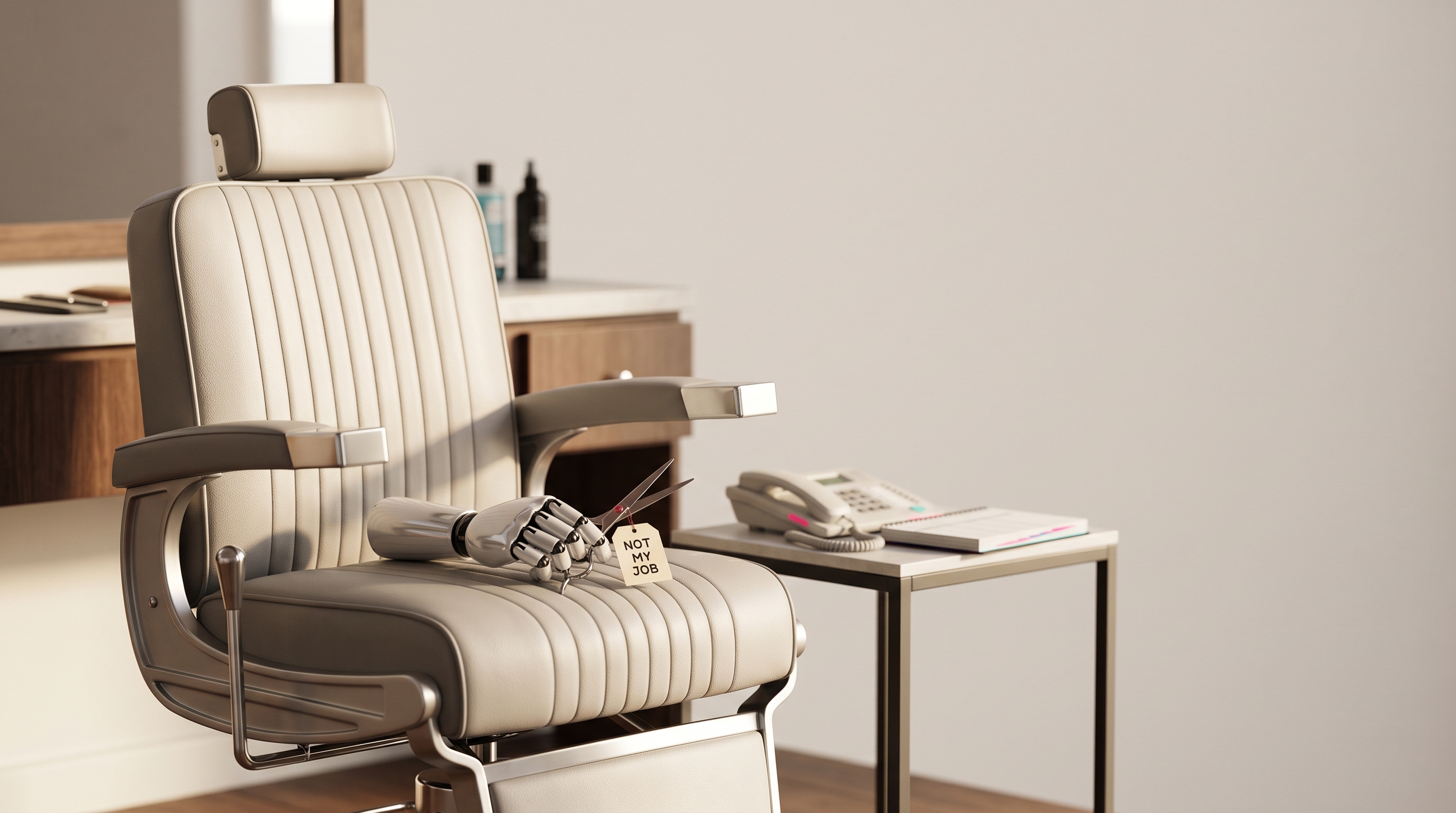
You've been there.
That carefully scheduled 10 AM appointment doesn't show up. You check your watch. 10:15... maybe they're just running late? 10:25... you send a text. 10:35... you finally accept it: you've been stood up.
Meanwhile, you've blocked off this time, prepared for the meeting, and possibly turned away other clients who wanted that slot. It's not just annoying—it's expensive.
If this scenario sounds painfully familiar, you're not alone. The average service business experiences a no-show rate between 5.5% and 50%, with a global average of 23.5%. For many businesses, that translates to thousands in lost revenue annually.
But what if I told you that most of those no-shows are preventable, and the solution doesn't require hiring additional staff or changing your entire booking system?
The True Cost of No-Shows: It's Worse Than You Think
The total financial loss attributed to patient no-shows in the U.S. healthcare system is estimated at $150 billion per year, with each missed appointment carrying an average cost of $200 or more. For individual practices, independent physician practices face an estimated annual loss of $150,000 due to patient no-shows.
Beyond the obvious lost revenue, no-shows create:
Why People Really Miss Appointments (It's Not What They Tell You)
When clients miss appointments, they usually offer explanations like "something came up" or "I forgot." But these surface-level excuses mask deeper psychological patterns that drive no-show behavior.
Understanding these root causes is crucial because different types of no-shows require different prevention strategies:
The Genuine Forgetter
Despite good intentions, this client simply forgets the appointment exists. They're not checking their calendar regularly, and the appointment made weeks ago has completely slipped their mind.
In studies, forgetfulness was found to be the most common reason for missing appointments, particularly when there's a long time between scheduling an appointment and the actual appointment date.
The Priority Shifter
This client remembered the appointment but made a last-minute decision that something else was more important. Maybe they're feeling unwell, received a more appealing offer, or just don't feel like going out.
The Anxiety Avoider
This client experiences anxiety about the appointment itself. Maybe they're worried about bad news, uncomfortable discussions, or just the inherent stress of certain types of appointments (dental visits, financial reviews, etc.).
The Process Failure
Sometimes, the no-show isn't the client's fault at all. Confusing directions, unclear appointment times, scheduling errors, or miscommunications about location or time can all lead to missed appointments where the client thinks they're doing exactly what was arranged.
The key insight here is that most no-shows aren't about client indifference or disrespect—they're about human psychology, competing priorities, and process failures. And this is exactly why the right reminder system can be so effective.
Why Traditional No-Show Solutions Often Fall Short
Common approaches like cancellation fees, manual reminder calls, basic calendar invites, or overbooking create their own problems:
The Better Way:
How Automated Multi-Channel Reminders Slash No-Show Rates
The most effective approach to no-shows is a comprehensive automated reminder system that addresses all the psychological and practical reasons appointments are missed.
Studies show that appointment reminders reduce missed appointment rates by an average of 41% and increase clinic attendance rates by an average of 34%. There is consistent, strong evidence that simple reminders are effective at increasing attendance at appointments compared with no reminder.

What an effective automated reminder system looks like:
How to Implement Automated Reminders
Step 1: Analyse Your Patterns
Step 2: Select the Right Technology
Look for systems offering multi-channel communication, customisable templates, two-way communication, and integration with existing booking systems. AI solutions like Doris handle these requirements seamlessly.
Step 3: Create Your Sequence
Step 4: Personalise Messages Craft templates reflecting your brand voice with client names, service details, preparation instructions, and simple response options.
Step 5: Monitor and Refine Track response rates, no-show rates by service type, and continuously refine based on results. Most businesses see immediate improvement with ongoing optimisation.
Beyond Reminders: Complete Strategies
Automated reminders work best when combined with:
Ready to End the No-Show Nightmare?
If no-shows are affecting your revenue, team morale, and client experience, automated reminder systems offer a remarkably effective solution based on solid research evidence.
The best part?
Most businesses see ROI within the first month of implementation. When a single prevented no-show can be worth hundreds or thousands of dollars, the math becomes compelling very quickly.
Ready to see how automated reminders could transform your appointment attendance? Doris offers a no-obligation demonstration that shows exactly how our system would integrate with your existing processes.
We'll analyse your current no-show patterns and show you how a customised reminder sequence could dramatically improve your attendance rates, often with just a few hours of initial setup.
Your clients don't want to miss appointments—they're just busy, forgetful humans juggling competing priorities. With the right reminder system, you can help them keep their commitments while protecting your schedule, revenue, and team morale.
The days of the empty appointment chair can be behind you sooner than you think.
Ready to let Doris handle your front desk?
She answers calls, replies to messages, captures enquiries and follows up automatically.